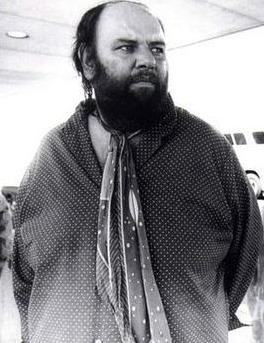
Photo: The rakish fellow · CC BY-SA 3.0, via Wikimedia Commons
Peter Grant
Led Zeppelin · Bad Company · The Yardbirds
Peter Grant managed Led Zeppelin from 1968 to 1980 and forced the concert business to pay artists roughly 90% of the gate instead of the 40–50% promoters had been keeping — the split most touring artists still work from today.
“His tough guy image came out of there being so many cowboys around and the way musicians were taken advantage of.”
Before Grant, a promoter could keep half the money a band's own audience paid to see them, and the band was expected to be grateful for the exposure. Grant looked at that arrangement, decided it was upside down, and refused to book Led Zeppelin on it. He negotiated a 90/10 split in the artist's favour, and because Led Zeppelin were big enough that no promoter could afford to say no, the term stuck. Then it spread. It is now close to industry standard, which is the strange fate of a genuinely radical idea: it becomes invisible.
He was equally stubborn about what the band did not do. No singles pulled off the albums in the UK. No television. Almost no press access. Every one of those decisions cost money in the short term and looked, to the people around him, like career suicide. What they actually did was make Led Zeppelin's live show the only way to get the thing, which is the same asset the 90/10 split had just made enormously valuable. The refusals and the deal were one strategy, not two.
Grant's reputation for physical intimidation is real and well documented, and it is the reason he is remembered as a character rather than as a strategist. That is a disservice. The bootlegger-chasing and the confrontations were the enforcement arm of a coherent theory: the band owns the demand, so the band should own the terms.
Withhold exactly one thing
Pick the single place everyone expects you to be — the full track on streaming, the whole set on YouTube, the feature everyone's asking for — and refuse it, publicly and consistently. Grant's leverage came from Led Zeppelin's live show being unavailable any other way. At your scale it costs nothing: the unreleased song only exists at the show, the full mix only on the vinyl. Scarcity is the one form of leverage that doesn't require money.
Own the scarce thing, then reprice it
Grant did not win the 90/10 split by negotiating harder. He won it by first making Led Zeppelin's live show impossible to get any other way — no TV, no singles, no shortcuts — and only then sitting down with promoters. Leverage is manufactured upstream of the meeting where you spend it.